Fall AC Checklist for South Florida: What to Do After Hurricane Season
Hurricane season ends November 30. Use this fall AC checklist for Broward homes to catch storm damage, clogs and wear before they turn into repairs.
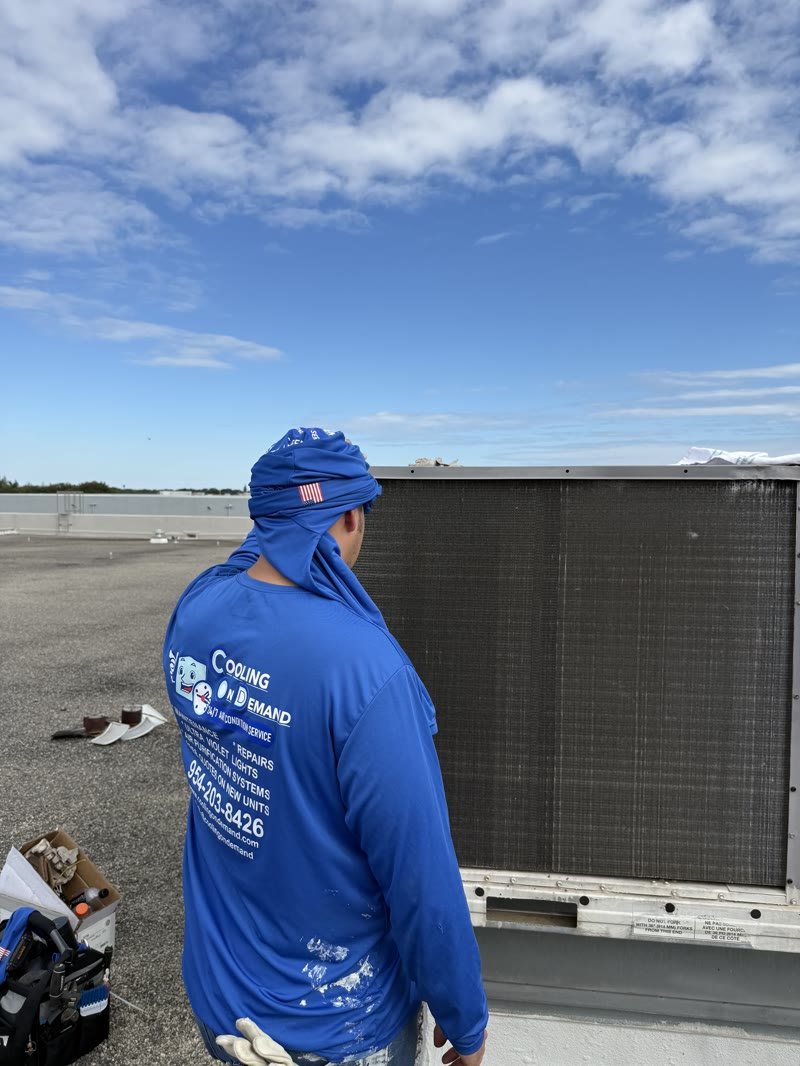
Fall in South Florida is the best time to give your air conditioner a once-over. Hurricane season officially ends November 30, temperatures ease a little, and your system finally gets a break after months of nonstop running. A quick fall check catches storm damage, drain clogs and worn parts while they are still small, cheap fixes instead of next summer’s emergency.
Here is the checklist we recommend to Broward County homeowners every October and November.
After The Storm1. Walk around the outdoor unit
Start outside. Summer storms throw a lot at your condenser, and damage is easy to miss if you never look.
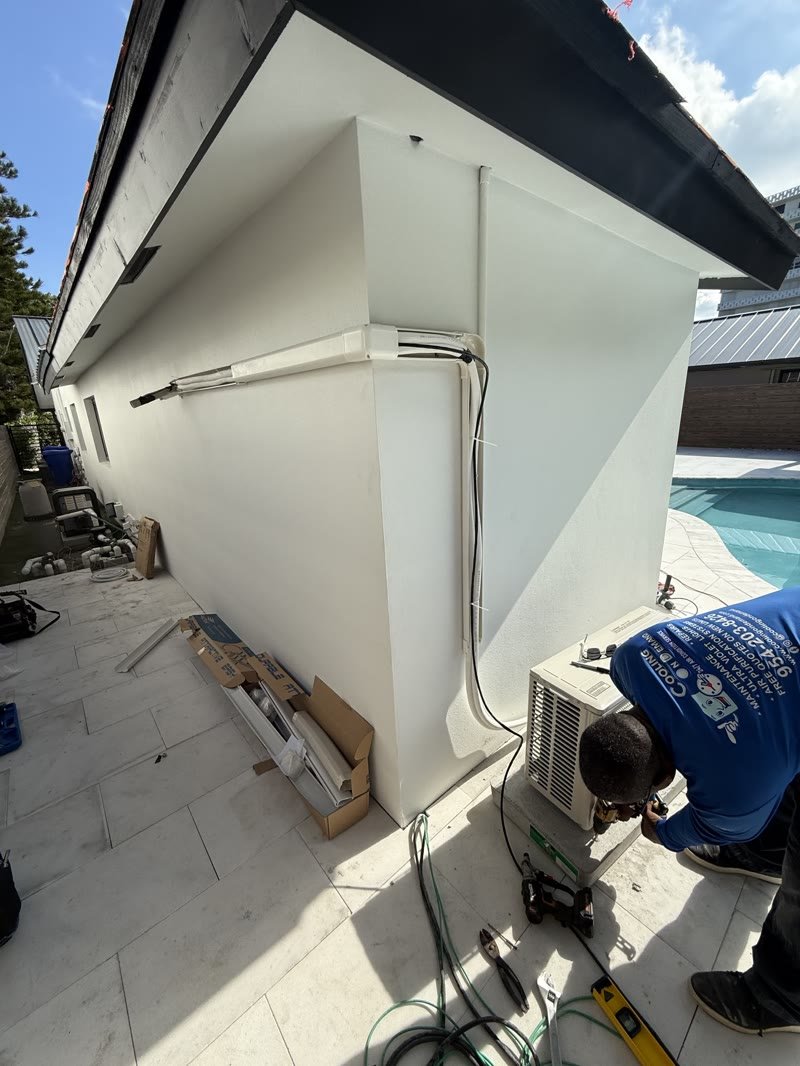
Clear debris. Pull leaves, palm fronds, mulch and grass clippings away from the unit. Keep at least two feet of open space on every side so it can breathe.
Look for bent fins. The thin metal fins on the sides bend easily from wind-blown debris. A few bent fins are normal. Large flattened areas block airflow and make the system work harder.
Check that the unit is level. Heavy rain can wash out soil under the pad. A tilted unit strains the compressor and can damage refrigerant lines.
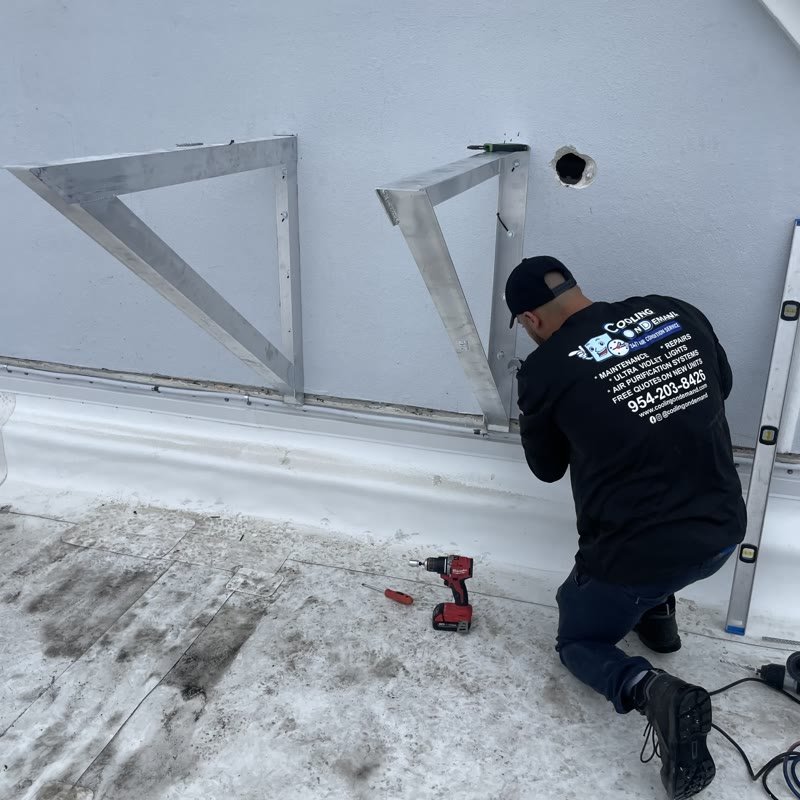
Inspect the tie-downs. Florida requires outdoor units to be secured against wind. Make sure the straps or brackets are still tight and not rusted through.
2. Check for signs of water or flood damage
If water reached your outdoor unit during a storm, do not assume it is fine just because it turns on. Flood water can corrode electrical connections and controls that fail weeks later. Signs to watch for:
- A water line or mud mark on the cabinet
- Rust or white corrosion on electrical connections
- Breakers tripping when the AC starts
- A burning or electrical smell
If you see any of these, turn the system off at the breaker and have a licensed technician inspect it before running it again. Our hurricane prep guide explains why a flooded unit should always be checked first.
Fall Maintenance3. Flush the drain line
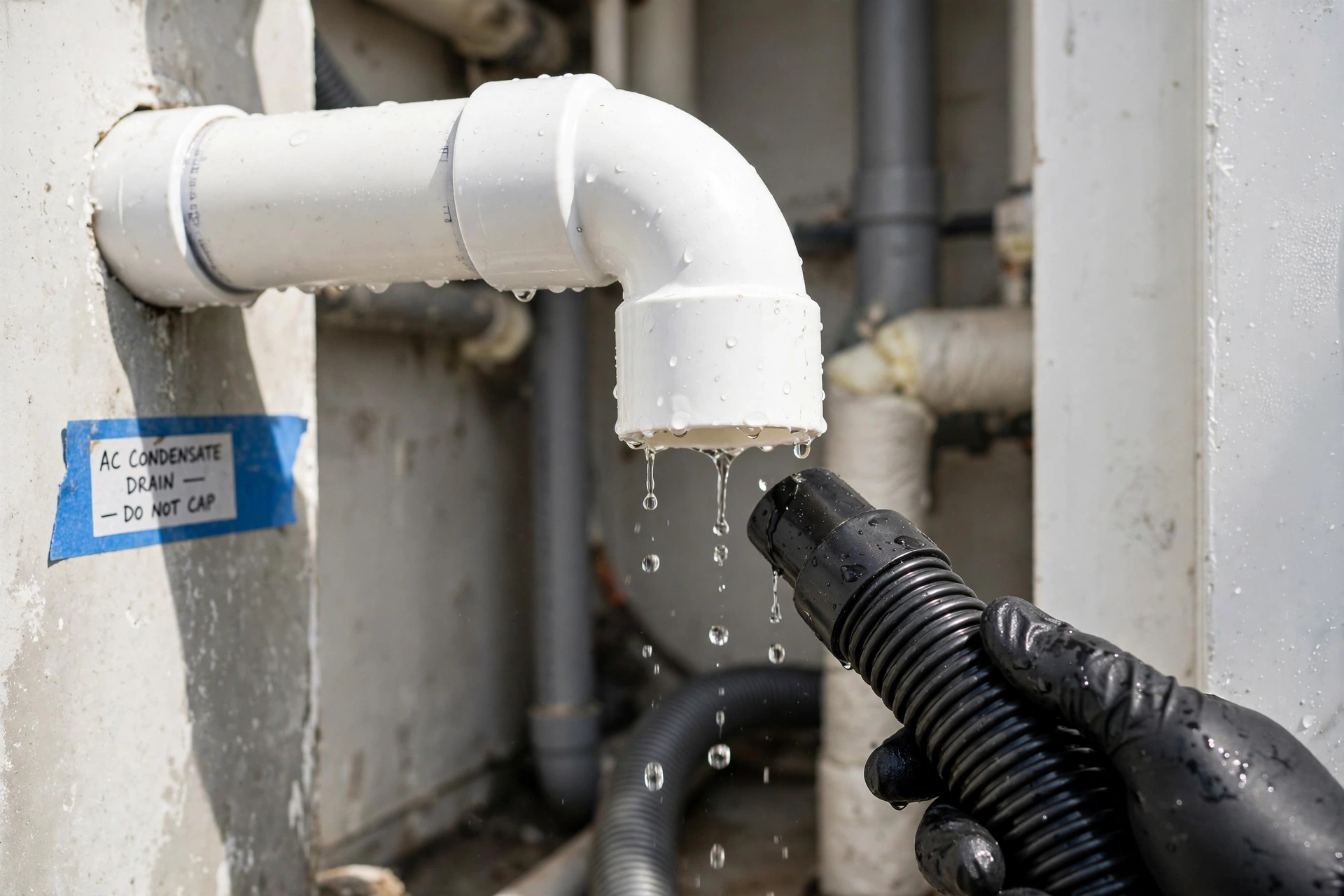
Summer humidity means your AC pulled gallons of water out of your home’s air every day. That constant moisture feeds algae and slime in the condensate drain line, and fall is when a lot of those lines finally clog.
Locate the drain line access (often a white PVC tee near the indoor unit with a cap on top), and pour in about a cup of white vinegar. If you see standing water in the drain pan, or the float switch has already shut the system off, the line likely needs a professional cleaning. Our post on why AC drain lines clog in South Florida walks through it.
4. Change or wash the air filter
After a summer of heavy use, your filter is almost certainly dirty. A clogged filter cuts airflow, raises your power bill, and can freeze your evaporator coil. Most standard 1-inch filters should be changed every 30 to 90 days in Florida, more often if you have pets or allergies.
5. Test the thermostat and listen to the system
Run the system through a full cycle and pay attention:
- Does it start and stop on its own when the set temperature is reached?
- Do you hear new noises: grinding, squealing, rattling or loud clicking?
- Is cool air coming from every vent, with no rooms that stay warm?
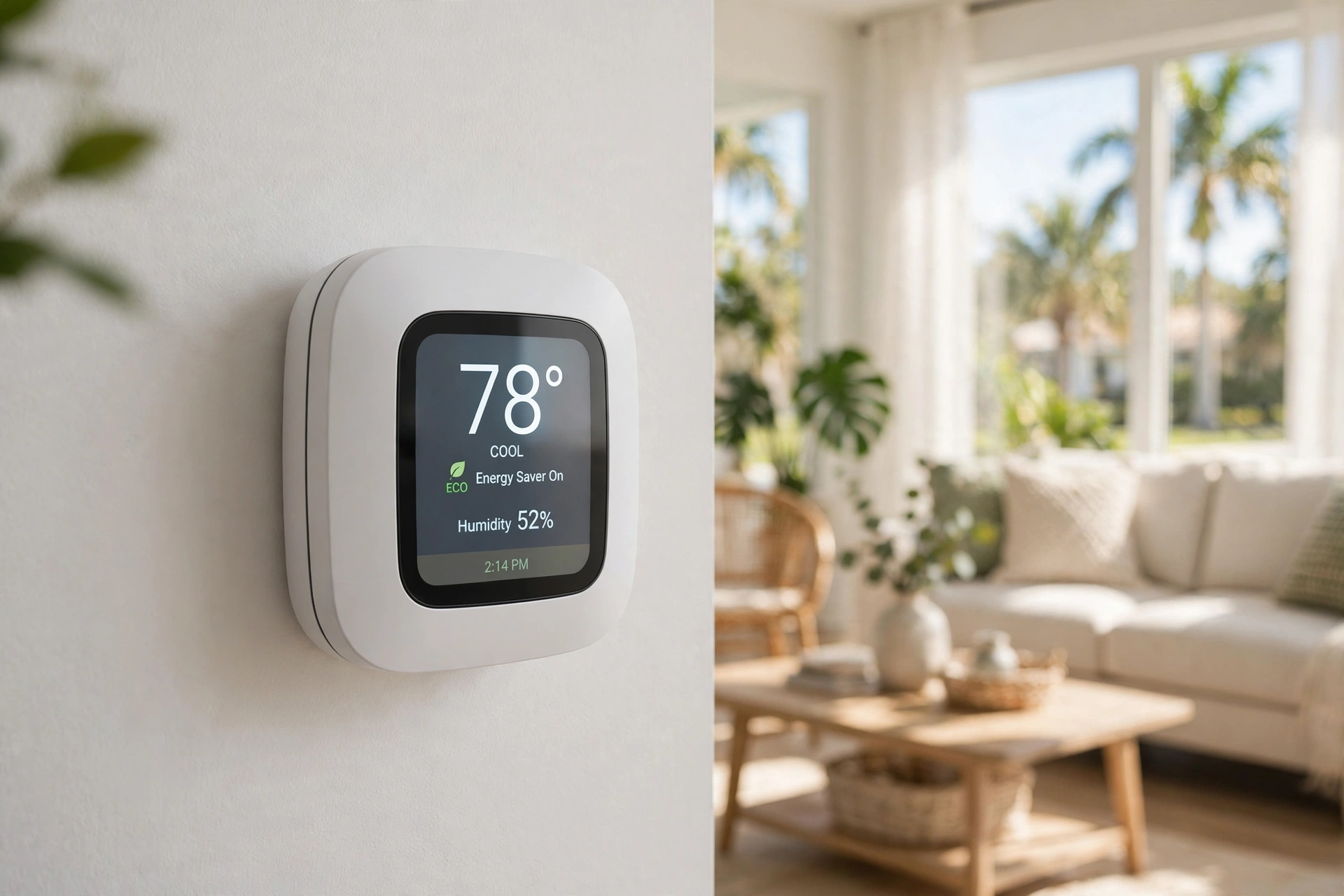
Replace thermostat batteries now, even if they still work. A dead thermostat battery is one of the most common “my AC stopped working” calls we get.
6. Schedule a professional tune-up
A homeowner check catches the obvious problems. A professional tune-up catches the ones you cannot see: weak capacitors, low refrigerant, dirty coils and loose electrical connections. Our complete AC tune-up (discounted from $115) includes:
- Cleaning and vacuuming the drain line and drain pan
- Sanitizing the evaporator coil
- Rinsing the condenser coil
- Checking electrical components and connections
- Checking refrigerant levels
- Changing the filter (customer-provided filter)
Fall is also a smart time for a tune-up because it is usually easier to get an appointment than in the middle of a July heat wave.
Why It MattersWhy fall maintenance matters more in Florida
In most of the country, air conditioners rest for half the year. In Broward County they run nearly year-round. That means more wear, more moisture and more chances for small issues to grow. A fall check after hurricane season gives you a clean starting point before the next cooling season begins, and it is the easiest way to avoid paying for an emergency repair on the hottest day of the year.
Frequently Asked Questions
When does hurricane season end in Florida?
The Atlantic hurricane season runs from June 1 to November 30 each year.
Do I need to service my AC in the fall if it is working fine?
It is a good idea. Many problems, like a weak capacitor or a partially clogged drain line, do not show symptoms until they fail. A fall tune-up finds them early.
Should I cover my outdoor unit for the winter in South Florida?
No. South Florida winters are mild and your system may run on warm days. Covers can also trap moisture and invite rust or pests.
How often should I change my AC filter in Florida?
Every 30 to 90 days for standard filters, depending on the filter type, pets, allergies and how often your system runs.
Can storm damage show up weeks later?
Yes. Water exposure can corrode electrical parts slowly. If your unit was flooded or hit by debris, have it inspected even if it seems to run normally.
Book Your Fall AC Check.
Get ahead of next summer. We are available 24/7 across Sunrise, Plantation, Fort Lauderdale and Broward County.
Book Service OnlineCall (954) 203-8426Keep Reading
Cooling On Demand Inc. is a Florida Certified Air Conditioning Contractor, license #CAC1822848. Read our customer reviews.